
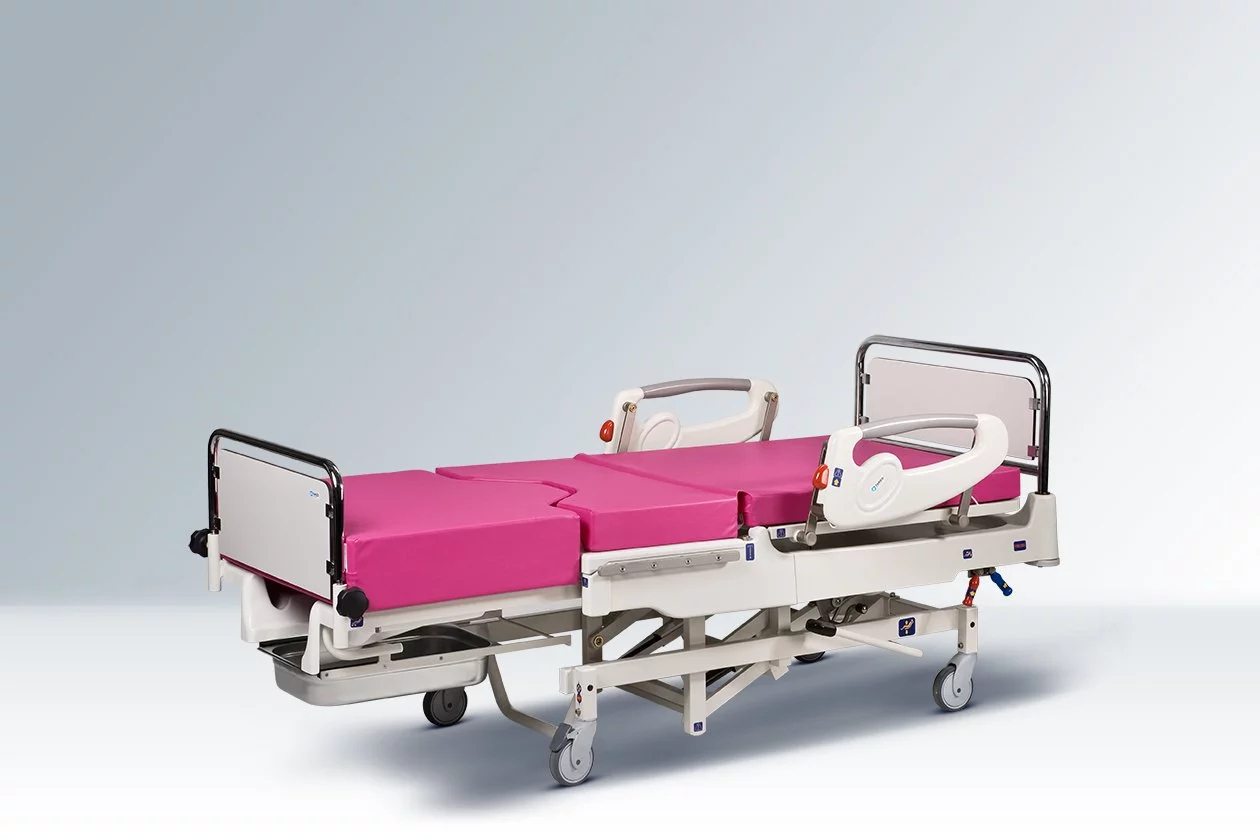
Choosing the right medical equipment for hospitals and clinics is an important part of developing an effective healthcare environment. From examination lights and operating tables to neurology equipment, diagnostic systems and specialised medical devices, each product needs to match the clinical, technical and operational requirements of the facility.
Medical equipment procurement is not simply about finding a product at the lowest price. Healthcare organisations need to consider intended use, technical specifications, infrastructure, installation, training, maintenance, consumables, after-sales support and the total cost of ownership.
The World Health Organization (WHO) recommends considering technical specifications before purchasing or accepting medical devices because appropriate specifications support planning for implementation, operation and eventual decommissioning.
For hospitals, clinics, diagnostic centres and other healthcare facilities, a structured approach can make medical equipment selection more practical and transparent.
What Is Medical Equipment Procurement?
Medical equipment procurement is the process of identifying healthcare needs, defining technical requirements, evaluating available equipment and suppliers, purchasing the selected equipment, and supporting its installation and implementation.
The process can involve several departments, including:
- Clinical users
- Hospital management
- Biomedical engineering
- Procurement
- Finance
- Facility management
- Information technology
- Infection prevention teams
- Equipment suppliers
WHO describes procurement as part of a broader health-technology lifecycle that includes planning, needs assessment, sourcing, evaluation, contracting, delivery, installation and commissioning.
This means equipment procurement should begin with the clinical requirement, rather than with a particular product or brand.
Why Medical Equipment Selection Matters
Selecting inappropriate or poorly matched equipment can create challenges after installation.
For example, a product may have advanced features but may not be suitable for the facility’s:
- Patient volume
- Clinical applications
- Available space
- Infrastructure
- Staffing
- IT environment
- Maintenance capabilities
- Budget
- Future expansion plans
A well-planned selection process considers how the equipment will actually be used within the healthcare environment.
Step 1: Identify the Clinical Requirement
The first question should be:
What healthcare requirement does the equipment need to address?
A hospital may require equipment for diagnosis, treatment, monitoring, examination, surgery, rehabilitation or patient care.
For example, a facility may require:
- EEG systems for neurological monitoring
- Examination lights for clinical examination
- Operating tables for surgical procedures
- OT lights for operating rooms
- Bladder scanners for non-invasive bladder assessment
- Patient beds for inpatient care
- Diagnostic equipment for specialised departments
Clearly defining the requirement helps narrow down suitable equipment options.
Step 2: Define the Technical Specifications
After identifying the clinical requirement, the facility should establish appropriate medical equipment specifications.
Specifications may include:
- Equipment type
- Performance requirements
- Capacity
- Dimensions
- Electrical requirements
- Operating environment
- Accessories
- Software
- Connectivity
- Safety features
- Installation requirements
- Warranty
- Service requirements
Technical specifications help healthcare organisations compare products against defined requirements rather than comparing products based only on price.
Step 3: Consider the Healthcare Facility Environment
Medical equipment does not operate independently from the building.
Before purchasing equipment, the facility should determine whether the required environment is available.
Depending on the equipment, this may include:
- Electrical supply
- Backup power
- Water supply
- Drainage
- HVAC
- Cooling
- Network connectivity
- Floor loading
- Room dimensions
- Door access
- Equipment delivery routes
WHO guidance notes that installation can require site preparation such as appropriate power, ventilation, water, network connections, reinforced floors and backup power, depending on the device.
This is particularly important for larger or more technically complex medical equipment.
Step 4: Compare Equipment Features
Once the requirements are defined, healthcare buyers can compare available products.
Important comparison points may include:
Performance
Does the equipment meet the required clinical and technical performance?
Ease of Use
Can healthcare professionals operate the equipment efficiently?
Configuration
Does the available configuration match the intended application?
Accessories
Are all necessary accessories included?
Connectivity
Can the equipment communicate with the facility’s existing systems where required?
Upgradeability
Can the equipment be expanded or upgraded in the future?
Maintenance
Can the equipment be serviced and maintained effectively?
The right evaluation criteria will vary depending on the equipment category.
Step 5: Evaluate the Medical Equipment Supplier
Choosing the right medical equipment supplier is as important as choosing the equipment itself.
Healthcare organisations should consider factors such as:
- Product portfolio
- Technical knowledge
- Installation support
- Warranty
- After-sales service
- Spare-parts availability
- Training
- Response times
- Local service capability
- Supplier experience
WHO guidance highlights supplier credibility, after-sales support, spare parts, warranties and technical support as important considerations during medical-device selection.
A medical equipment supplier should therefore be viewed as part of the equipment’s lifecycle support, not simply as the company providing the quotation.
Step 6: Consider the Total Cost of Ownership
The purchase price is only one component of the overall cost.
The total cost of ownership (TCO) can include:
Purchase Price + Installation + Training + Maintenance + Consumables + Energy + Software + Upgrades + Infrastructure
For example, equipment with a lower initial price may require more expensive consumables or maintenance over its operational life.
Conversely, equipment with a higher initial cost may provide capabilities or efficiency that are valuable for a facility’s specific requirements.
WHO guidance similarly recommends considering installation, training, maintenance, consumables, energy and infrastructure requirements when assessing the long-term cost of medical devices.
Step 7: Check Installation Requirements
Medical equipment installation should be planned before the equipment arrives.
Depending on the product, installation may require:
- Site preparation
- Electrical connections
- Network connections
- Structural preparation
- Assembly
- Calibration
- Environmental controls
- Safety checks
Installation is therefore not simply a matter of unpacking and switching on the equipment.
The equipment and its intended operating environment need to be compatible.
Step 8: Plan Training and User Support
Healthcare professionals need appropriate training to use medical equipment safely and effectively.
Training requirements may include:
- Basic operation
- Clinical workflow
- Equipment safety
- Cleaning
- Routine checks
- Software functions
- Troubleshooting
- Emergency procedures
Training should be considered during procurement rather than after the equipment has already been installed.
Step 9: Plan Maintenance and After-Sales Support
Medical equipment needs ongoing maintenance throughout its operational life.
Depending on the equipment, this may involve:
- Preventive maintenance
- Corrective maintenance
- Calibration
- Software updates
- Spare parts
- Technical inspections
- Performance verification
A reliable medical equipment service provider can help healthcare facilities reduce avoidable downtime and maintain equipment availability.
WHO also identifies inventory management, maintenance programmes and computerized maintenance management systems as components of medical-device management.
Step 10: Think About Future Requirements
Healthcare facilities change over time.
Patient volumes may increase, new clinical services may be introduced and technology requirements may evolve.
When selecting equipment, it can therefore be useful to consider:
- Future capacity
- Upgrade options
- Additional accessories
- Software upgrades
- Compatibility with future systems
- Replacement planning
This can help facilities avoid selecting equipment that becomes unsuitable as their requirements change.
Common Medical Equipment Categories
Medical equipment requirements vary significantly between healthcare facilities.
Common categories include:
Diagnostic Equipment
Used to support examination, diagnosis and monitoring.
Examples include:
- EEG systems
- ECG systems
- Ultrasound systems
- Patient monitors
- Imaging equipment
Operating Theatre Equipment
Operating rooms can require specialised equipment such as:
- Operating tables
- OT lights
- Surgical equipment
- Patient positioning systems
- Anaesthesia-related equipment
Neurology Equipment
Neurology departments may require equipment such as:
- EEG machines
- EMG systems
- EP systems
- Neurodiagnostic workstations
Patient Care Equipment
Hospitals may also require:
- Hospital beds
- Examination couches
- Patient trolleys
- Treatment equipment
- Mobility and support equipment
Examination and Procedure Lighting
Medical examination lights provide focused illumination for appropriate clinical examination and procedure environments.
The required specifications depend on the intended application.
The Role of a Medical Equipment Supplier
A professional medical equipment supplier can support healthcare organisations through multiple stages of the equipment lifecycle.
This can include:
- Understanding the requirement
- Recommending suitable configurations
- Providing technical specifications
- Preparing quotations
- Coordinating delivery
- Supporting installation
- Providing user training
- Supporting maintenance
- Supplying accessories and spare parts
- Supporting future equipment requirements
This creates a more complete approach to healthcare equipment supply.
RTREE – Medical Equipment Solutions for Healthcare Facilities
RTREE provides medical equipment solutions for healthcare facilities across areas such as neurology equipment, operating theatre equipment, examination and medical lighting, bladder scanners and other hospital equipment.
Our approach focuses on helping healthcare organisations identify equipment that matches their intended clinical application and operational requirements.
Whether you are equipping a new hospital, upgrading an existing clinic, expanding a diagnostic department or replacing existing equipment, selecting the appropriate medical equipment is an important part of healthcare planning.
Contact RTREE to discuss your medical equipment requirements and explore suitable solutions for your healthcare facility.
Conclusion
Choosing medical equipment for a hospital or clinic requires more than comparing product prices.
A successful procurement process starts with understanding the clinical requirement and then considers technical specifications, infrastructure, supplier support, installation, training, maintenance and long-term cost.
By taking a lifecycle approach to medical equipment selection and procurement, healthcare organisations can make more informed purchasing decisions and better prepare their facilities for safe and effective equipment use.
At RTREE, we aim to support healthcare facilities with medical equipment solutions that are aligned with their clinical and operational requirements.